The British Archaeological Association enjoyed a fantastic few days at the 2026 International Medieval Congress at the University of Leeds, joining more than 2,700 medievalists from around the world for one of the largest and most vibrant gatherings in the academic calendar.
Our involvement began on Monday evening with the BAA’s first jointly organised event with the International Center of Medieval Art (ICMA): Periodisation and the Study of Medieval Art. The discussion brought together scholars from a range of disciplines to consider how concepts such as ‘the medieval’ and traditional period boundaries might be rethought through comparative, transcultural, and global perspectives. The session generated thoughtful discussion and marked the beginning of what we hope will be an ongoing collaboration between the BAA and the ICMA.
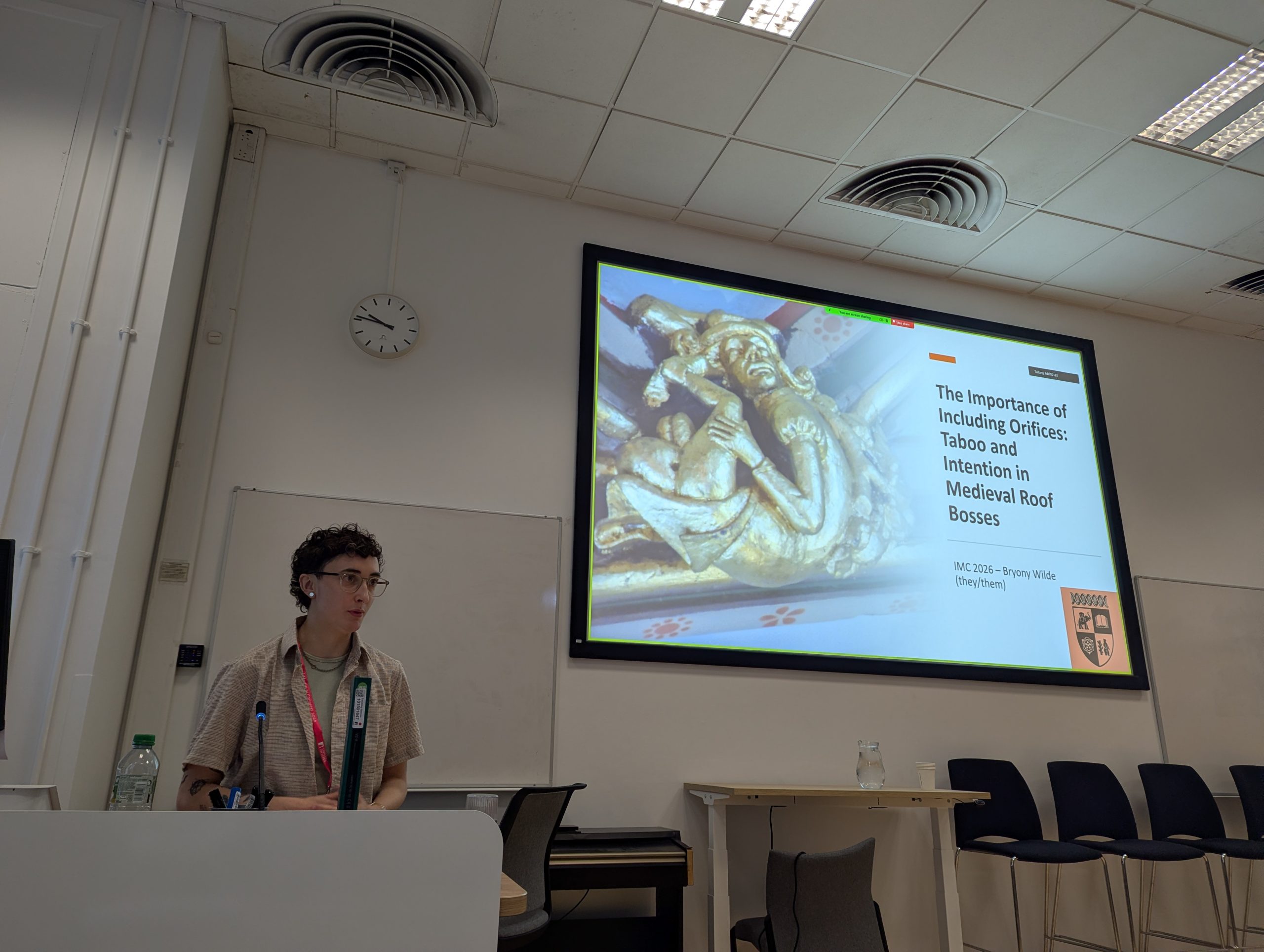
On Tuesday morning, the Association sponsored a session, Materialising Time: Temporality in Medieval Art and Architecture, organised by Dr Sophie Kelly. The well-attended session featured four excellent papers exploring the relationship between art, architecture, memory, devotion, and the experience of time in the medieval world.
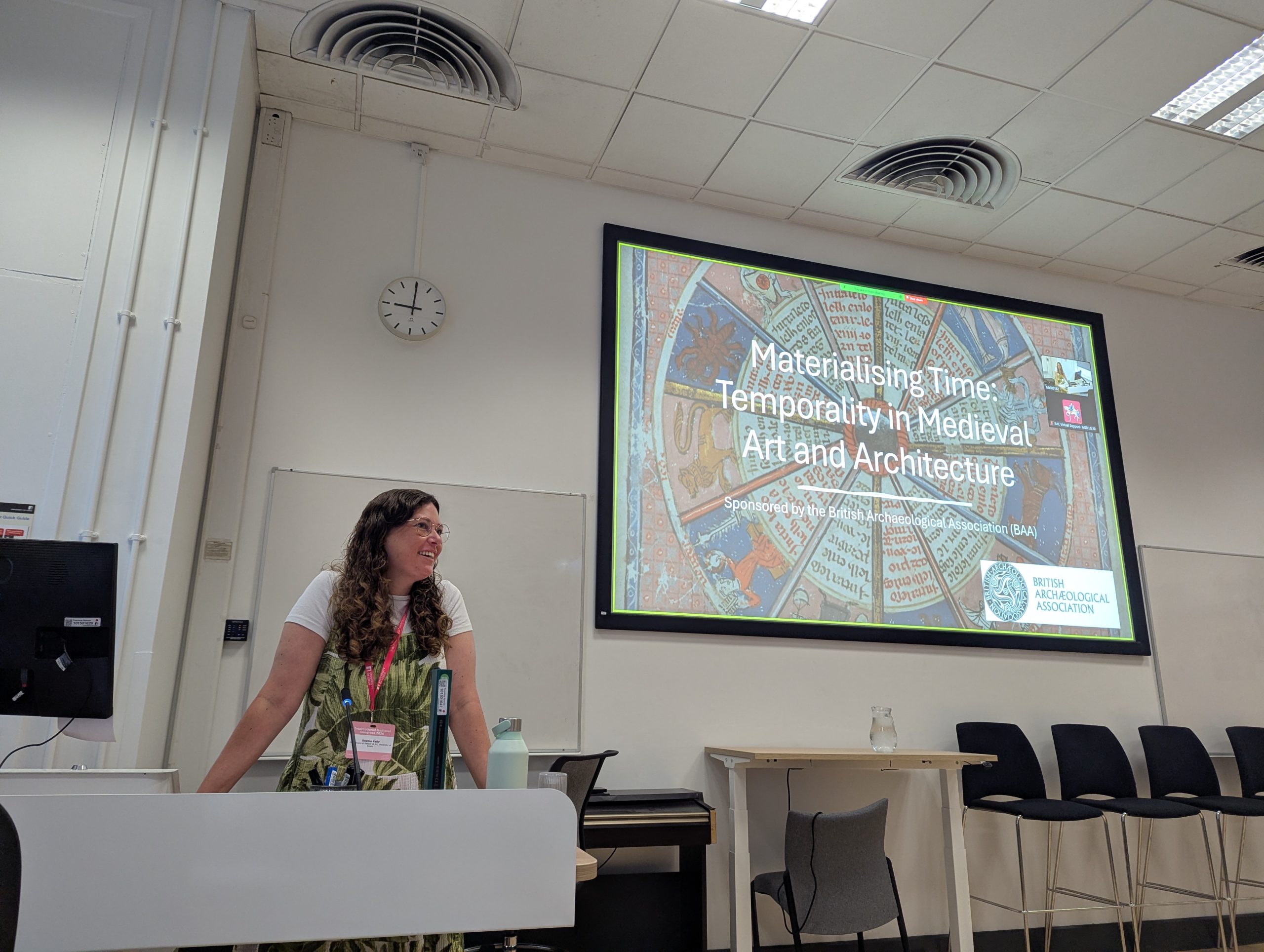
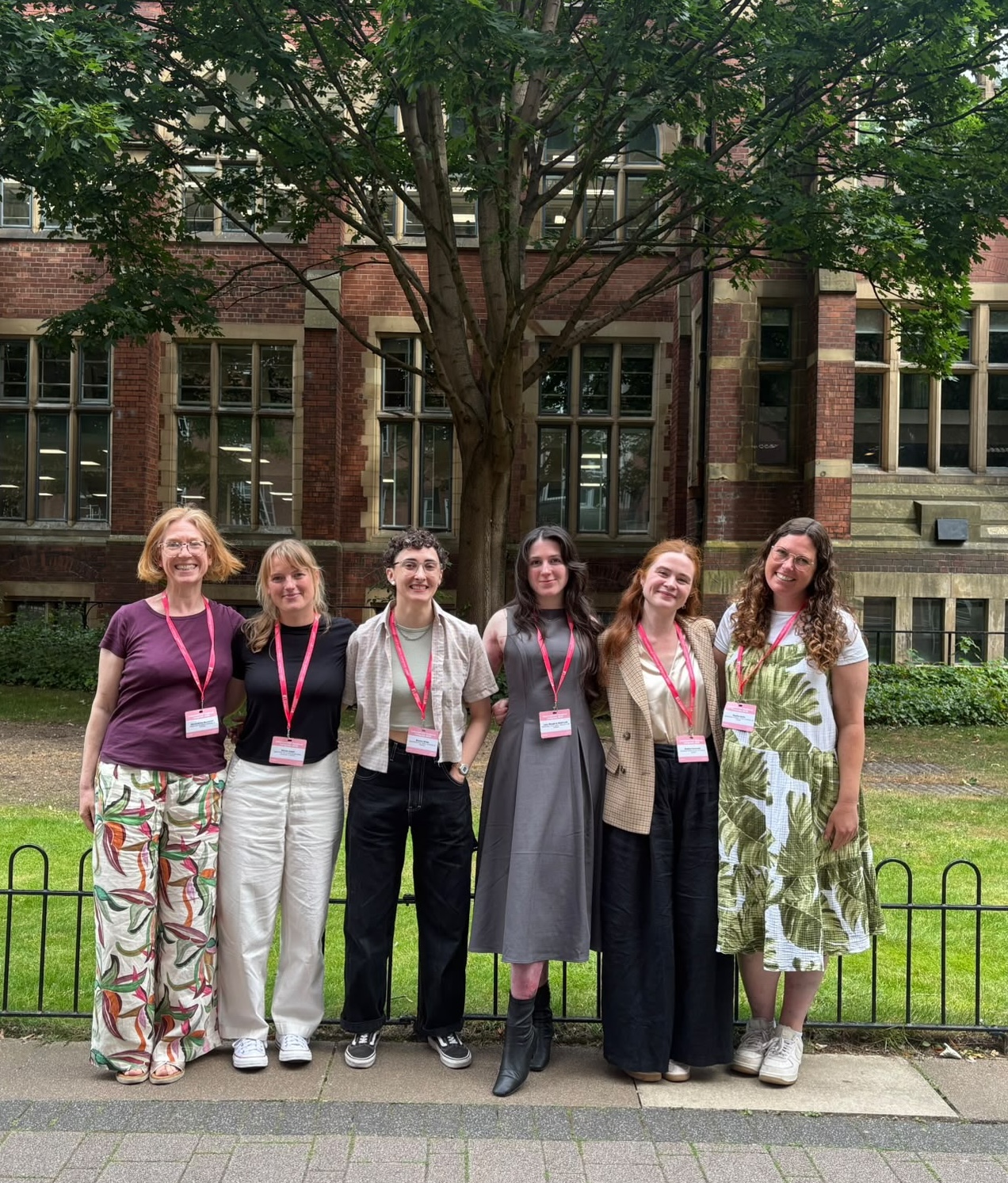
The speakers were:
- Dr Róisín Astell (University of Oxford), Temporal Boundaries: The Dynamics of Text and Image Relationships in Gothic Illuminated Manuscripts
- Sophia Dumoulin (Courtauld Institute of Art, University of London), The 15th-Century Screens of Westminster Abbey: Disrupting and Framing Vision in a Monastic Church
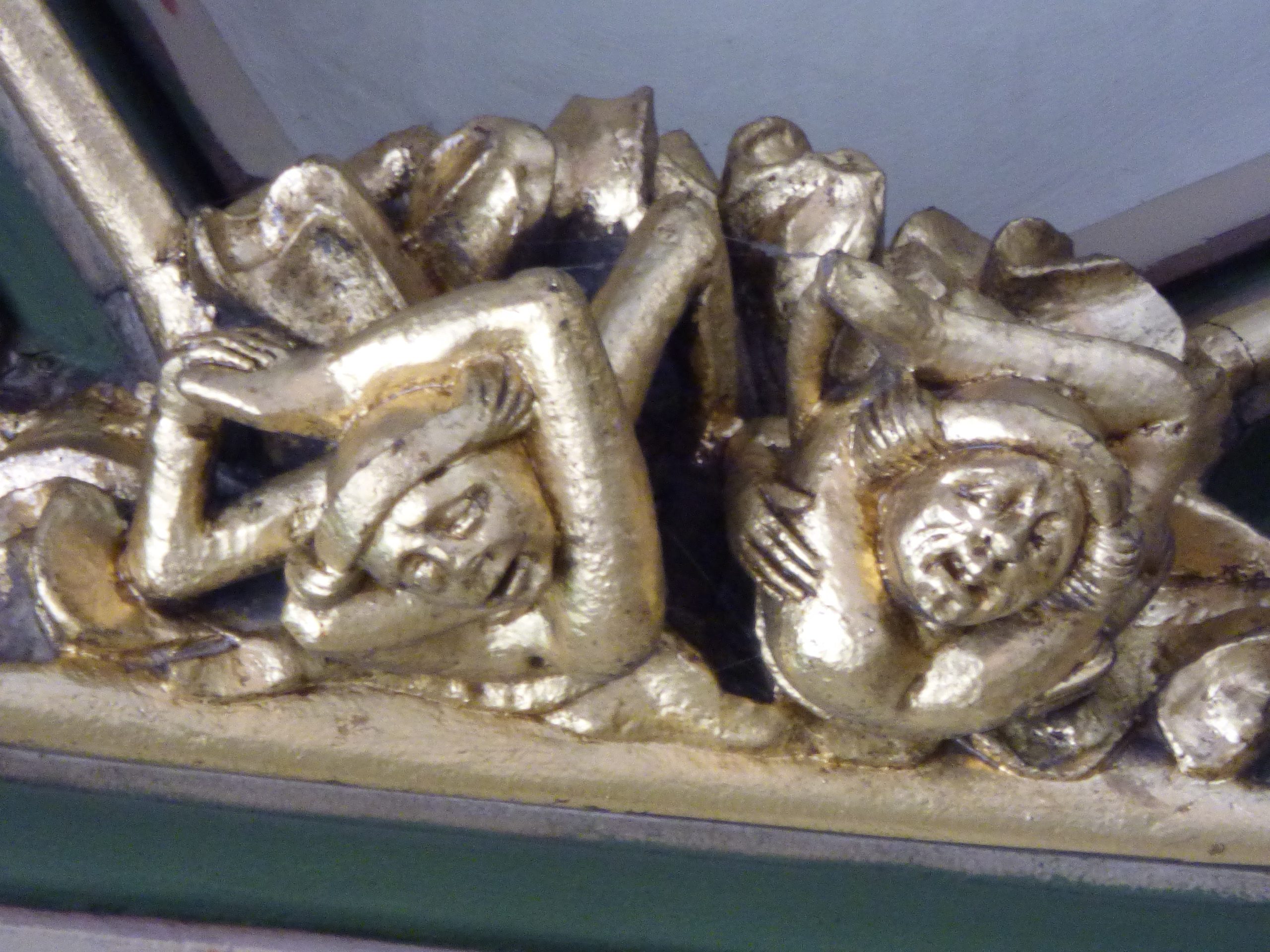
- Bryony Wilde (University of Warwick), The Importance of Including Orifices: Intention and Taboo in English Medieval Roof Bosses
- Lucy Margaret Beall-Lott (University of St Andrews), Care of Maidens: Finding and Cataloguing Britain’s Lost Child Saints
The diversity of subjects and approaches made for a fascinating session and sparked lively questions from the audience.
The BAA’s activities concluded with our annual Reception, where members and prospective members gathered over drinks to catch up with old friends, welcome new faces, and learn more about the Association’s publications, conferences, scholarships, and activities.
Many thanks to everyone who organised, spoke at, and attended our IMC events—particularly Dr Sophie Kelly for organising our sponsored session, and our colleagues at the International Center of Medieval Art for helping make the inaugural joint round table such a success.
Speaker reflections
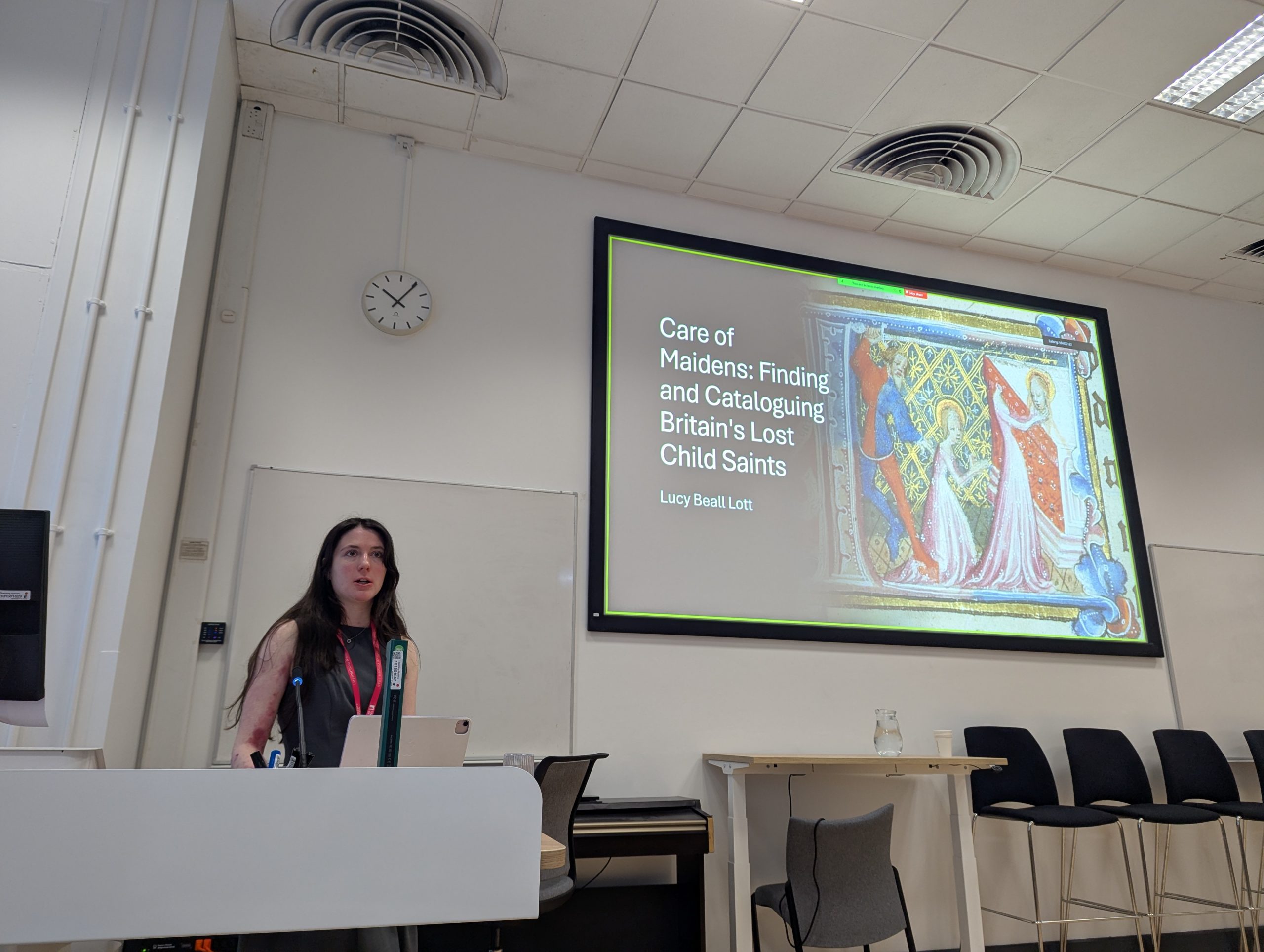
“I recently had the honour of attending IMC Leeds with the British Archaeological Association. While there, I had the opportunity to present recent findings from my PhD research on childhood in medieval England on our panel, materialising time. While giving a paper is always a privilege, I was even more excited to hear the presentations of my fellow panellists, all early career researchers who are uncovering an endlessly fascinating array of evidence in the field of medieval art history. I am honoured to be among them and am very grateful for the BAA for not only bringing us together in such a welcoming academic environment, but for seeing the promise in our work and fostering a community for us as medievalists.”
Lucy Margaret Beall-Lott (University of St Andrews)
“On 7 July, I had the incredible opportunity to present part of my PhD research at the International Medieval Congress in Leeds as part of a panel that was organised by the BAA. My paper focused on the fifteenth-century screens of Westminster Abbey, which form the subject of my first chapter. I really enjoyed discussing this research with other medievalists and it was very helpful to hear their insightful feedback – it’s rare to find people who love medieval church screens as much as I do!
I had never gone to IMC Leeds before, partly because of the cost of attending, but also because I was quite daunted by the scale of this massive conference, where around fifty panels take place at the same time. I never expected that it could be possible to gather 2700 medieval scholars in one place! It was therefore great to attend the conference with a few BAA members. Meeting other medievalists from around the globe was also exciting, especially as I was able to talk to some scholars who work on similar materials and themes as I do.
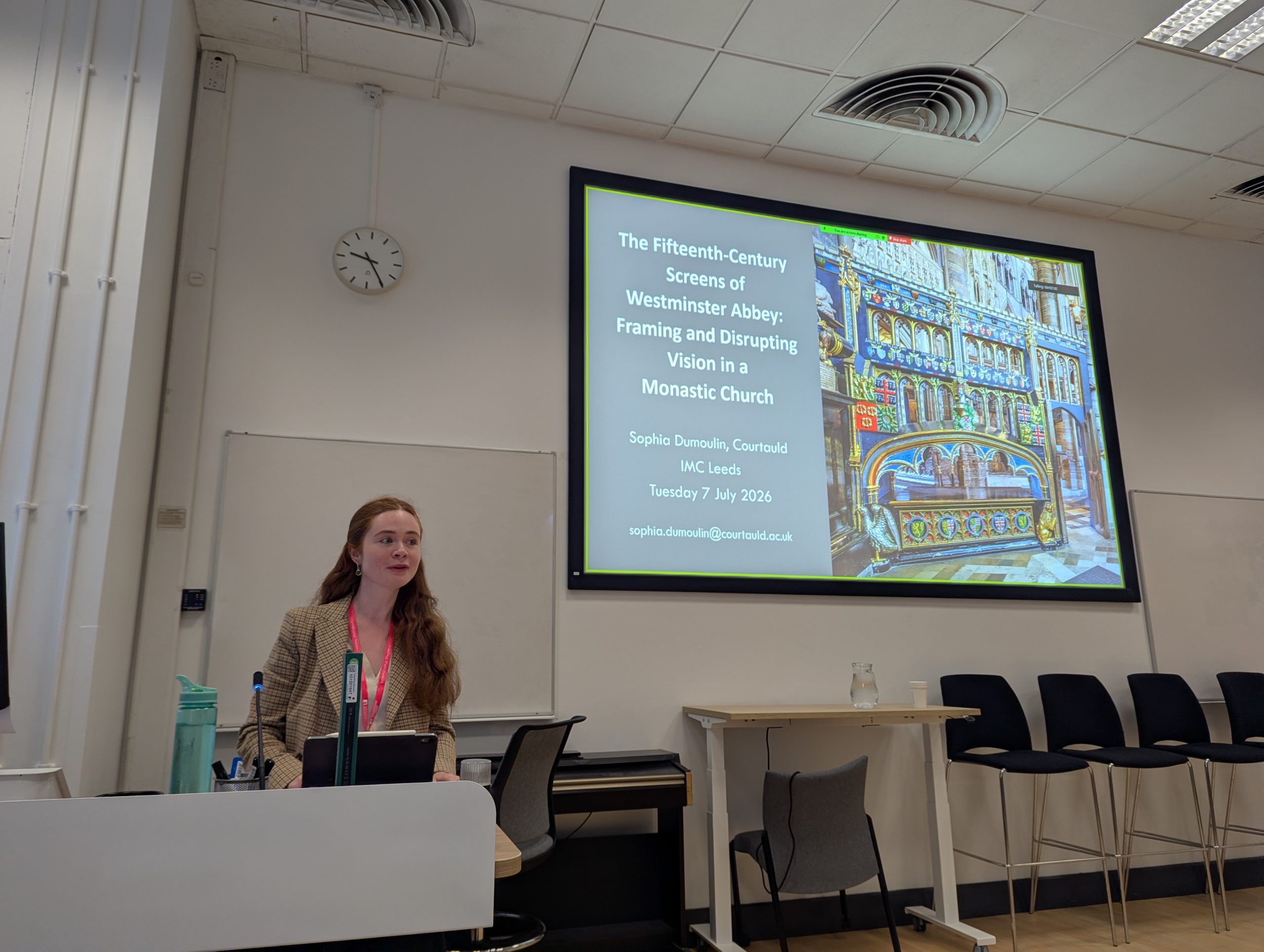
Speaking at the conference gave me the opportunity to listen to a wide variety of interesting talks. I loved hearing about the research of my fellow panelists, while some of my other highlights included papers on the graffiti in the Scrovegni Chapel in Padua, medieval tattoos, the wills of fifteenth-century London grocers and a really thought-provoking presentation on how to authentically represent medieval smells in museums. It was fascinating to hear what other medievalists are currently working on, and this will undoubtedly strengthen my own research and thinking about medieval art.
I’m incredibly grateful to the BAA, and especially Sophie Kelly who organised our panel, for inviting me to speak at IMC Leeds!”
Sophia Dumoulin (Courtauld Institute of Art, University of London)